Bond Repair & Damaged Hair Treatments
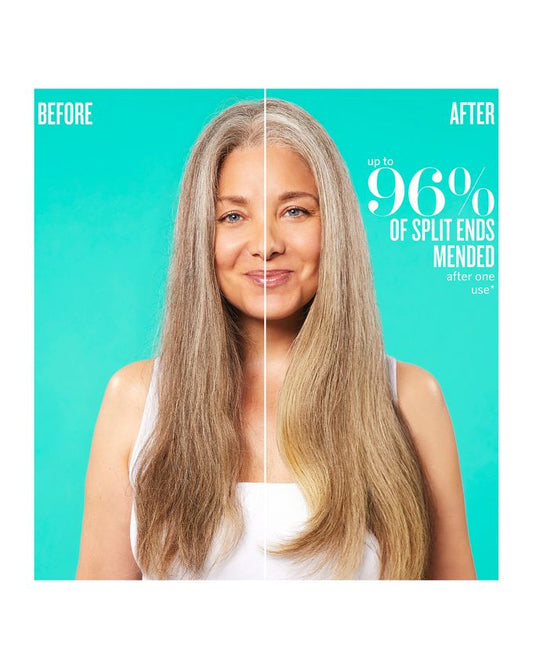
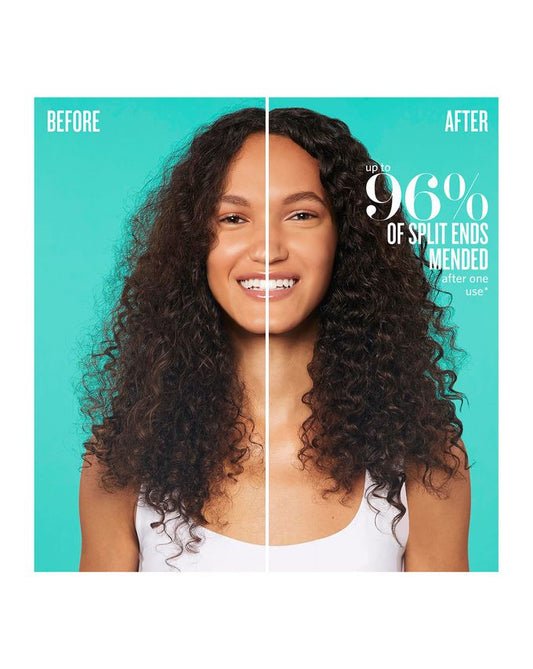
Split ends cannot be repaired. They can only be cut off, or temporarily sealed.
That is the uncomfortable truth most product marketing avoids, and it matters, because it changes what you should actually buy. Once a hair fibre splits, no treatment fuses it back together permanently. What good products do is seal the split temporarily so it looks and feels smooth, and more importantly, strengthen the rest of the hair so new splits stop forming.
This collection is built around that second job. It brings together bond repair treatments, protein and moisture masks, leave-in conditioners and finishing oils from Olaplex, Amika, Briogeo, Gisou, Oribe, Fenty Beauty, Rahua, Virtue and Augustinus Bader, priced from around ₹1,800 to ₹28,800.
If your ends are splitting, the honest answer is a trim plus a routine that prevents the next round. Here is how to build that routine.
Why Hair Splits in the First Place
Understanding the cause tells you which product category you actually need.
1) Mechanical damage. Brushing wet hair, tight ties, rough towels and friction against pillowcases physically fray the cuticle. This is the most common cause and the easiest to fix, and it is why detanglers and leave-in conditioners matter more than most people assume.
2) Heat. Straighteners and dryers above 180°C break down the keratin structure. Damage is cumulative, so the effect shows months after the habit starts. Heat protection is prevention, not repair.
3) Chemical processing. Bleaching, colouring, smoothing and keratin treatments break the disulphide bonds that hold hair together. This is precisely what bond repair technology addresses, and it is why coloured hair needs a different routine.
4) Environment. UV exposure, hard water and chlorine strip moisture and weaken the cuticle. In Indian cities, hard water is an underrated factor and shows up as persistent dryness no mask seems to fix.
5) Dryness. Hair with a compromised moisture barrier is brittle, and brittle hair splits. Moisture and protein need to be balanced, since too much protein alone makes hair stiff and more prone to snapping.
What Bond Repair Actually Does
Bond repair treatments work at the molecular level, rebuilding the broken disulphide and hydrogen bonds inside the hair shaft rather than coating the outside. This is genuinely different from conditioning, which smooths the cuticle surface and washes out.
That distinction matters when you are choosing. A conditioner makes hair feel better today. A bond repair treatment makes hair structurally stronger over weeks of use, which is what stops new splits forming.
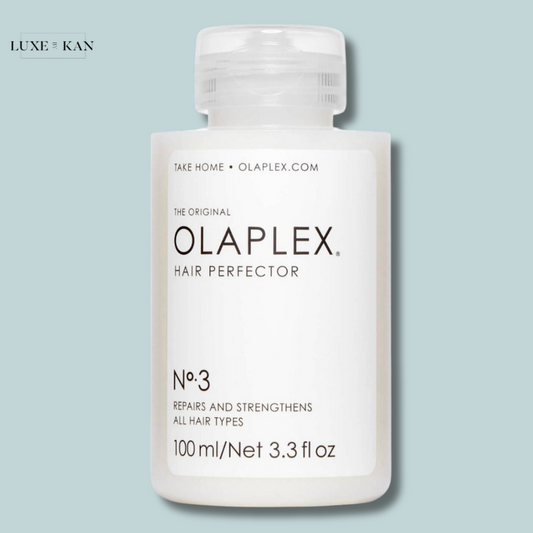
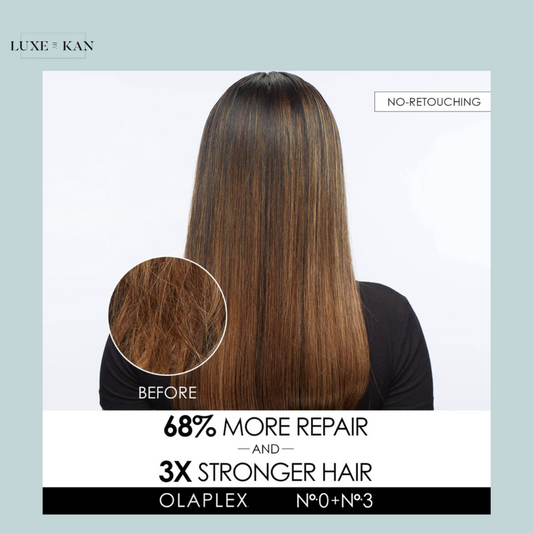
Olaplex No. 3 Hair Perfector is the original and still the reference point, a pre-shampoo treatment using patented bond building technology. Available in 100ml and 250ml. Browse the full Olaplex range.
The Inkey List PCA Bond Repair Treatment is the most affordable entry into bond repair at ₹2,799, a lightweight leave-in spray rather than a rinse-out treatment.
Briogeo Don't Despair, Repair! Megastrength Treatment combines bond repair with deep conditioning in a weekly mask, which suits hair that is both damaged and dry.
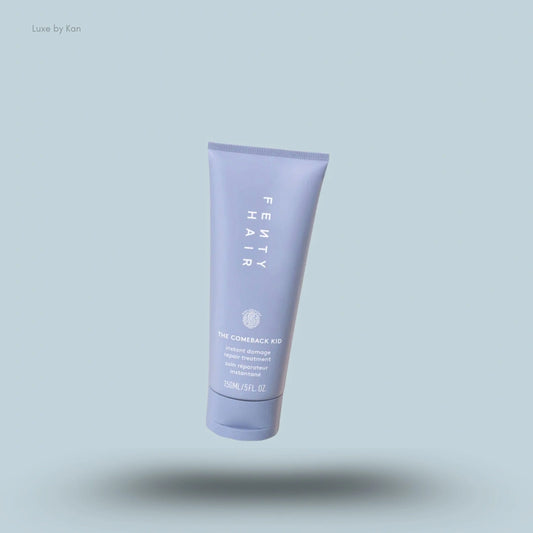
Fenty Beauty The Comeback Kid works as either a rinse-out or leave-in treatment, which makes it flexible if you are unsure how much intervention your hair needs.
Olaplex vs OUAI: Which Should You Buy?
This is the most common comparison in damaged hair care, and the answer depends on what is actually wrong with your hair.
Choose Olaplex if your damage is structural. Bleaching, colouring, keratin treatments or heavy heat use break bonds inside the hair shaft, and Olaplex's patented technology is built specifically to rebuild them. It is a repair system, not a conditioning one, and results build over weeks rather than showing instantly.
Choose OUAI if your hair is healthy but dry, dull or frizzy. OUAI focuses on hydration, softness and shine through conditioning rather than bond rebuilding. It feels better faster, but it is not fixing structural damage because it is not designed to.
Many people use both, since they solve different problems. If your hair is chemically processed and dry, a bond repair treatment plus a hydrating mask covers both bases.
Explore the wider Hair Treatment edit for both approaches.
Masks, Oils and Leave-Ins: What Each One Is For
These three get bought interchangeably, and they do different jobs.
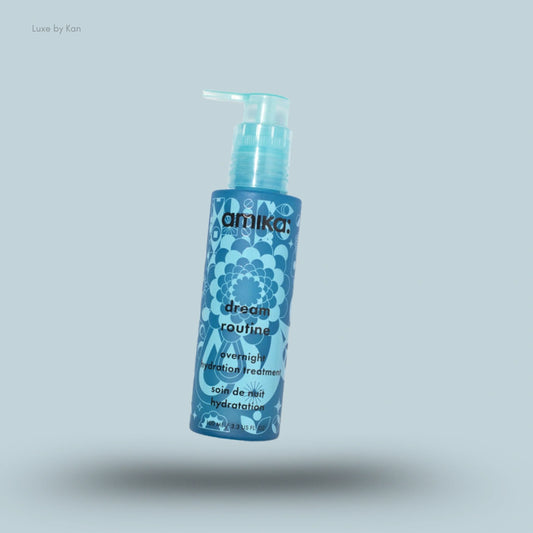
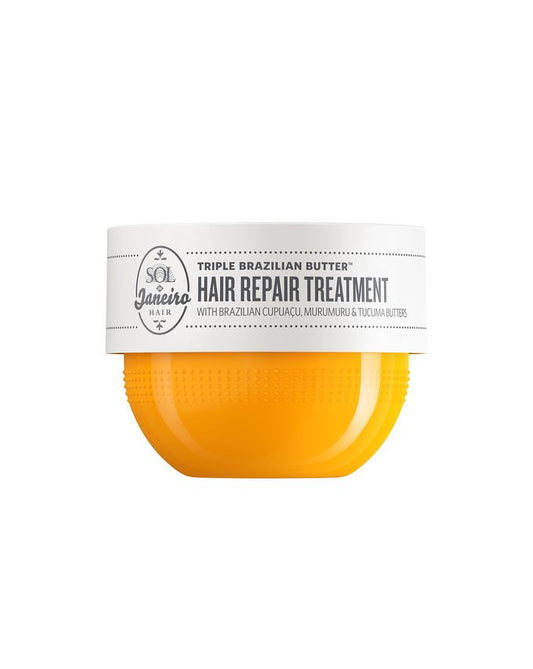
Hair masks are intensive weekly treatments applied to clean, damp hair and rinsed after five to twenty minutes. Use these for deep repair and moisture restoration. The Sol de Janeiro Triple Brazilian Butter Hair Treatment is the accessible option at ₹2,499, and the Amika Dream Routine Overnight Hydration Treatment works while you sleep for anyone short on time. Shop Amika and Briogeo.
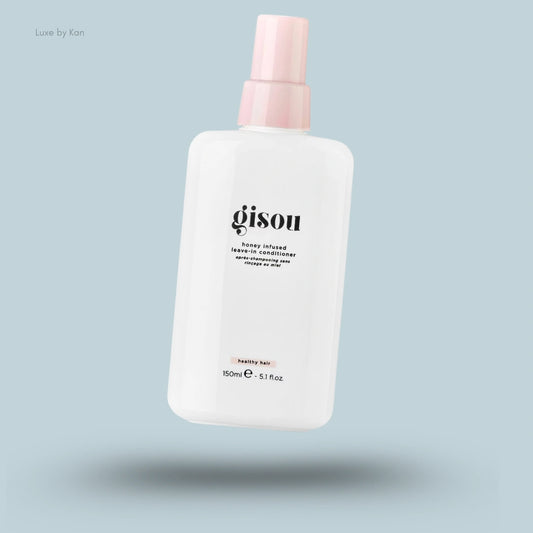
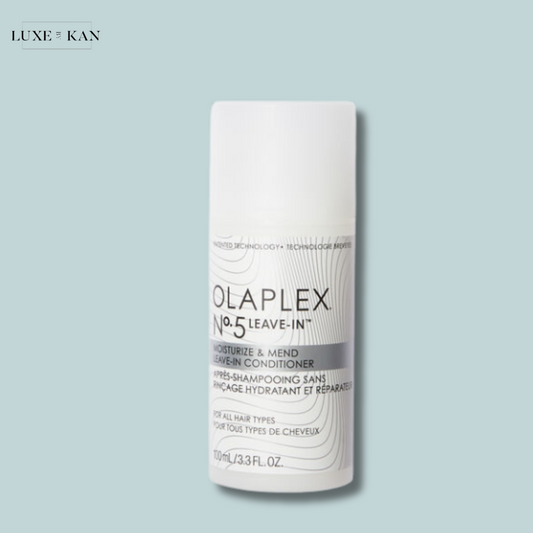
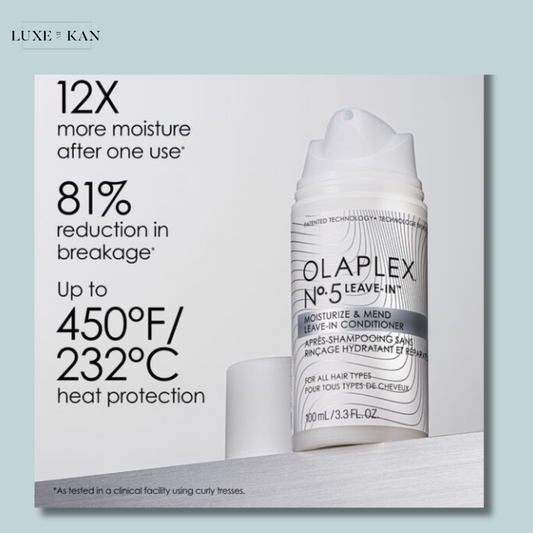
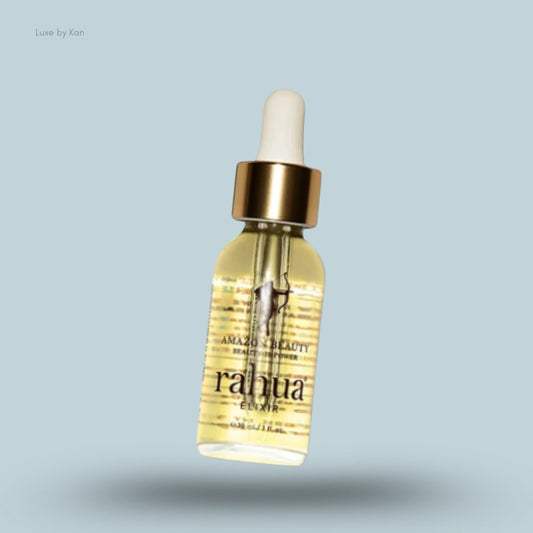
Leave-in conditioners stay in the hair, providing ongoing detangling, moisture and protection against mechanical damage. This is the category most people underuse. The Olaplex No.5 Leave-In, Gisou Honey Infused Leave-In Conditioner and Rahua Leave-In Treatment all reduce the friction damage that causes splitting in the first place.
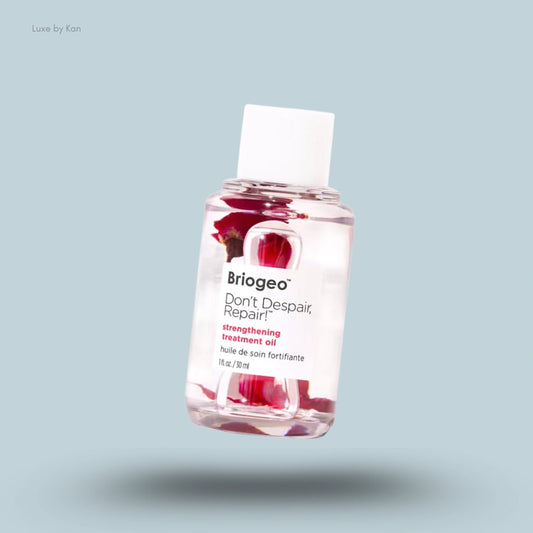
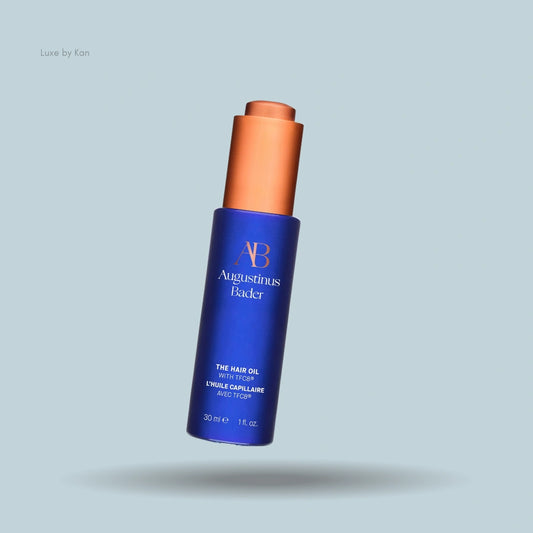
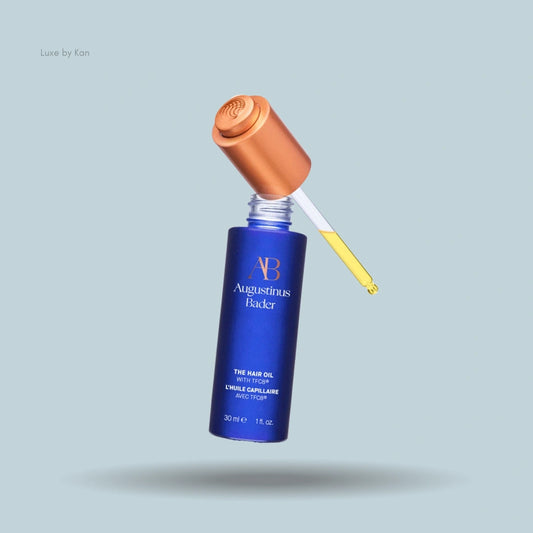
Hair oils seal the cuticle and add shine, and they are what temporarily smooth existing split ends. Apply to mid-lengths and ends only, never the scalp. The Briogeo Strengthening Treatment Hair Oil, Augustinus Bader The Hair Oil, Rahua Legendary Amazon Oil and Virtue Healing Oil cover this range. Browse all Hair Oils.
Building a Routine for Damaged Hair
Product choice matters less than sequence and consistency.
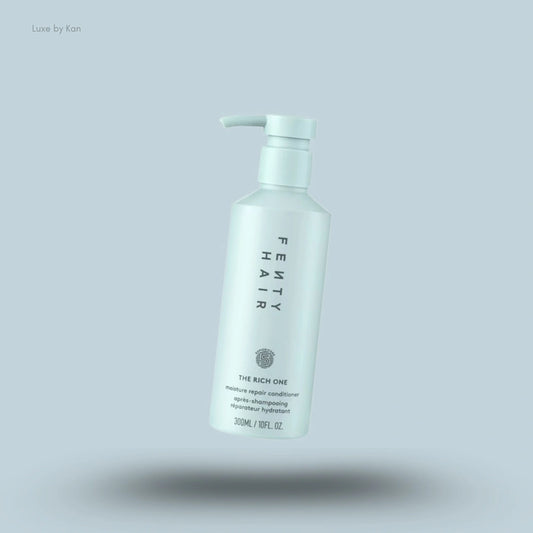
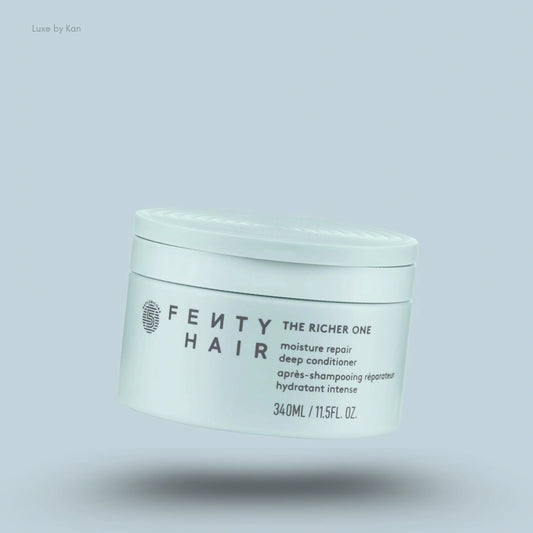
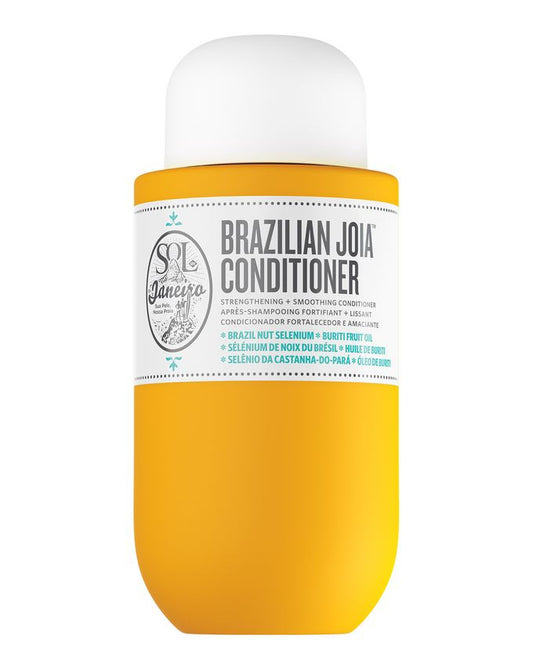
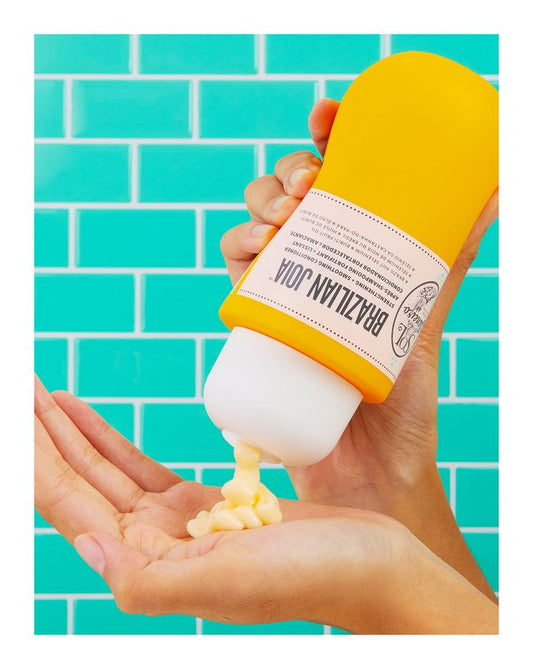
Wash with a repair-focused shampoo and conditioner. The Oribe Gold Lust Repair and Restore Conditioner and Fenty Beauty The Rich One are built for compromised hair, and the Sol de Janeiro Brazilian Joia range is the accessible option. Browse Shampoo and Conditioner.
Add a bond repair treatment weekly. This is the step that changes hair structurally over time.
Use a mask on alternate weeks, or more often if your hair is very dry. Alternating protein and moisture prevents the stiffness that comes from overusing protein treatments.
Apply a leave-in every wash, on damp hair, to protect through drying and styling.
Finish with oil on ends only, to seal and smooth.
Protect before heat, every time. The Gisou Propolis Infused Heat Protecting Spray and Pureology Color Fanatic Spray handle this, and the Kitsch Satin Heatless Curling Set removes heat from the equation entirely.
How to Prevent Split Ends
Prevention is the only thing that genuinely works long term.
Trim every eight to twelve weeks. A split travels up the shaft if left, turning one problem into a longer one. This is not upselling from your stylist, it is how the fibre behaves.
Never brush hair from wet. Wet hair stretches and snaps. Detangle with fingers or a wide-tooth comb, working from the ends upward.
Lower your heat setting. Most people style far hotter than necessary. Below 180°C is enough for the majority of hair types.
Swap cotton for satin or silk on pillowcases and hair ties. The friction reduction is measurable over months.
Address hard water if you are in a city with it, since mineral buildup causes dryness that no mask will resolve on its own.
A Quick Note from LBK
Damaged hair products are worth buying properly, because the difference between a genuine bond repair formula and an imitation is the difference between hair that improves and hair that does not.
Every product here is sourced from verified global retailers and independently authenticated before it ships. Duties and taxes are included in the listed price. Select products ship within 24 to 48 hours through Instant Ship, and orders over ₹10,000 come with a free deluxe gift.
Explore More


 Sold out